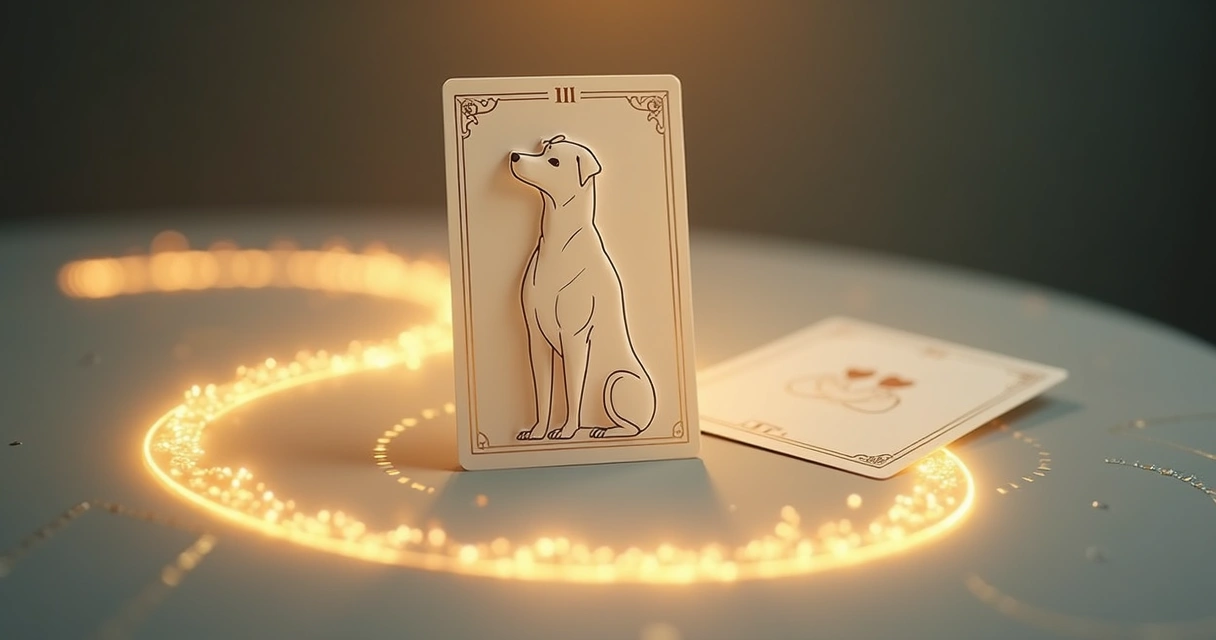
The Lenormand deck has moved quietly from simple card game to one of the most sought-after divination systems of our time. Each card is direct, symbolic, and feels alive in the hands of those seeking answers. As 2026 approaches, many newcomers and regular readers wonder which questions to ask and how to frame them, so that their experience with Lenormand is not only practical, but also profound.
Questions shape the ritual. The answers follow.
Platforms like Kronus Ritual show that using Lenormand can be more than reading cards. It can be entering a refined, digital ritual. Let’s take a closer look at what to ask, why to ask, and how to get the most clarity from the cards—whether for insight, reflection, or personal growth in the coming year.
What makes a question suitable for Lenormand?
It’s easy to pick up a Lenormand deck and ask, “What will happen to me?” But Lenormand works best when the questions are practical, focused, and open to specific details rather than general outcomes.
Lenormand readings thrive on questions that anchor the session to the daily, tangible world—work, relationships, next steps, outcomes, and decisions.
A question that is too vague may offer only platitudes. One that is too rigid may close doors to rich insight. People often find clarity in questions shaped like these:
- What can I expect if I accept this job offer?
- How will my relationship change after moving in together?
- What steps should I focus on to improve my finances this year?
- Will collaborating with this person help achieve my project goals?
- How will my family respond to my news?
There’s a gentle balance between being direct and staying flexible. The cards tell a story, not just answer “yes” or “no.”
How does question phrasing influence Lenormand readings?
Readers at Kronus Ritual and across the world often recommend that you:
- Keep questions focused on a single topic.
- Stick to time frames (for example, “this month” or “by summer”).
- Ask what, how, when, where, and who, instead of just “why.”
A well-phrased question gives direction to both card and reader, unlocking sharper, more relevant details.
For example, rather than, “Will I be happy?” the question “What steps will bring me satisfaction in my daily life this year?” leads to actionable, grounded guidance.
Specific questions open new doors in Lenormand practice.
Some sample questions for Lenormand in 2026
As lives shift rapidly into 2026, some Lenormand readers look for guidance on key themes:
- Career and work: “How will changing roles affect my work environment?” or “Will my efforts be noticed at work this quarter?”
- Relationships: “What dynamic will develop with this person I just met?” or “Where is this relationship heading?”
- Home and family: “Will moving be positive for my family?” or “What issues may arise if I sign a new lease?”
- Health and habits: “What can I focus on for better wellness this spring?” or “Is now a good time to pursue new health routines?”
- Personal projects: “What can help me complete my creative project?” or “How will my studies shift in the next semester?”
A reader may also seek direction with cards such as The Book or The Letter. These cards encourage digger questions, like what new information is hidden, or what message is arriving.
Common mistakes when asking Lenormand questions
Sometimes, readers fall into patterns that cloud their results:
- Asking “yes/no” only (Lenormand is best at describing stories, not just simple verdicts)
- Stacking many questions into one spread
- Leaving the time frame unclear
- Seeking predictions for others without their knowledge
- Returning to the same question every day out of anxiety
Repetition and lack of focus can cast a shadow over the cards, making the reading less satisfying and less reliable.
One clear question. One session. Patience reveals more.
Connecting Lenormand questions with spreads and meanings
When a reader has crafted the question, the next step is to connect it to the right type of spread. For some, the three-card spread is enough. Others prefer the nine-card tableau or even full 36-card grand tableaux for complex stories. Kronus Ritual presents all these experiences in an immersive, elegant format that helps focus attention—a good reading environment matters.
To match spread and question, consider:
- Simple “what will happen” or “what is influencing me now?”: three-card or line spread
- Situational outcomes: nine-card box or square
- Life phase or complex story: grand tableau
For details on common spread types and how to link them with questions, the Lenormand reading manual at Kronus Ritual offers a practical reference.
How to use Lenormand to get new perspectives
Card meanings in Lenormand are simple, but how they interact brings depth. The story is not in single cards, but in the links they form. For example, The Key often points to solutions, breakthroughs, or final answers—sometimes saying, “Yes, the way is open.”
A typical reader in 2026 might reflect:
“Every card combination adds a new meaning. Sometimes certainty, sometimes surprise.”
Using combinations, readers see beyond surface-level answers and into subtle relationships, obstacles, and synchronicities.
The AI Oracle, Kronus, guides users on this journey. At Kronus Ritual, Kronus interprets both single cards and entire spreads, providing the meanings and unexpected links that only emerge through careful observation and the right questions.
Making the most of Lenormand for guidance in 2026
Practical, situation-based questions are ideal, especially as social, economic, and personal cycles shift in 2026. Journaling readings, saving session notes, and comparing outcomes are all practices that help reinforce learning, add self-reflection, and deepen trust in the cards’ messages.
Platforms with saving and archival features—like Kronus Ritual—offer continuity, letting users revisit past spreads, refine their question technique, and really notice how patterns evolve over weeks or months.
For those starting out or looking for more resources, Kronus Ritual’s Lenormand page lays a foundation in symbolism, spread layout, and question framing, all in both English and Portuguese.
Conclusion
Lenormand’s simplicity hides a sharp clarity. With the right questions, a reader in 2026 will find layers of meaning—a fluid narrative of growth, reflection, and sometimes comfort. Card reading is not just about prediction, but about how ritual, question, and attention create space for insight. Kronus Ritual brings this sense of luminous, thoughtful ritual to every digital session. To step further into this editorial world, try a personalized, immersive Lenormand reading or start exploring the resources—find new approaches, refine your questions, and let the ritual unfold.
Frequently asked questions
What is the Lenormand deck used for?
The Lenormand deck is used for practical divination and guidance on day-to-day topics, focusing on events, decisions, and relationships. It excels at showing how different aspects of life weave together, and it is prized for its simple images that combine to tell a story, rather than relying on complex symbolism. Readers use Lenormand for choices, predictions, and personal insights.
How to read Lenormand cards in 2026?
Reading Lenormand in 2026 is both grounded and open-minded. First, start with a clear, focused question—ideally something specific and practical. Next, draw cards in a spread that fits the situation. Then, blend the meanings based on their position and relationships. Many modern readers benefit from guidance through digital platforms, like the one found at Kronus Ritual, where the session flows as an immersive ritual with the AI Oracle, Kronus, to provide interpretations and context.
What are the best Lenormand spreads?
There is no single “best” spread, but the most popular include the three-card line, which answers simple questions; the nine-card box, which outlines situations or phases; and the large grand tableau for life-overview readings. The choice depends on the complexity of the question and the type of insight desired. Readers often start with small spreads and, as confidence grows, use more complex layouts to compare influences. For further examples and guidance, consult Kronus Ritual’s Lenormand manual.
Where to buy Lenormand cards online?
There are many online options for purchasing Lenormand decks, from traditional to artistic editions. Those looking for digital experiences or interpretations of classic decks can visit resources like Kronus Ritual’s Lenormand collection and discover both reading tools and an intelligent library that supports card meaning research.
Is it worth it to learn Lenormand?
Many find Lenormand rewarding because it is quick to learn but offers growing depth over time. Its simple cards are accessible to beginners, while experienced readers continue to find new layers and insights as they develop their practice. With platforms like Kronus Ritual supporting learning and reflection, many users find Lenormand a valuable addition to their spiritual or self-reflection routines.