Among all the traditions of card-based symbolism, the Lenormand system stands apart for its directness, clarity, and practical effect. Readers—whether new or experienced—are often surprised by how swiftly its language speaks to daily life. While some forms of card reading dwell in the abstract, the 36 pictorial symbols in the Gypsy tradition serve as a grounded companion for insight. This simple guide offers a journey through the history, card meanings, spread examples, and modern uses of this cherished cartomantic art.
The story behind Lenormand cards
To begin, the origins of this sharp, symbolic deck are rooted in early nineteenth-century Europe. The name comes from Marie Anne Lenormand, an influential Parisian fortune-teller famed for her work with political and cultural figures. After her death, publishers created a deck in her honor, blending older German card games with evocative icons and naming it after her. It quickly flourished among spiritual circles.
Unlike tarot—known for its 78-card structure, heavy archetypes, and mystical secrets—the Lenormand deck is precise, situational, and focused on practical advice. It answers daily questions with nimble agility. According to research highlighted by The Daily Wildcat, interest in these readings has grown as more people explore accessible tools for personal clarity in changing times. Shops, platforms, and communities alike now embrace this form, highlighting a shift towards concrete spiritual practice.
Structure of the 36 cards
Unlike tarot, each card in the 36-card oracle is marked by a single, unmistakable object or scene. These images act as a vocabulary—visual words with clear associations.
- The Rider: Often brings news, movement, or a fresh beginning.
- The Clover: Suggests luck, opportunity, or a brief window of joy.
- The Book: Associated with secrets, learning, or undisclosed matters.
- The Tree: Symbolizes health, roots, or family stability.
- The Heart: Relates to love, passion, or emotional openness.
Every card carries a flexible meaning, yet always with a clear, concrete focus. Unlike arcane tarot archetypes, these symbols map directly onto situations, people, and choices. For further depth and full interpretations, Kronus Ritual offers a full manual of cards, including detailed entries for icons like The Rider, The Clover, and The Book.
Main types of spreads
Part of what makes these cards appealing is their flexibility—readers choose arrangements (or “spreads”) that suit the nature of their question.
Single-card draw
Best for quick questions and daily guidance. A single card pulled from the deck summarizes the essence of a situation. While simple, it’s surprisingly effective for a concentrated outlook.
Short on time? One card says enough.
Three-card line
Three cards are drawn in a row, read from left to right. This spread brings nuance—usually interpreted as Past, Present, and Future, or Situation, Action, and Outcome. For example:
- The Rider (news) – The Clouds (confusion) – The Sun (clarity)
This could be read as: "Unexpected news disrupts clarity for a moment, but soon everything brightens." The straightforward combination offers readers the chance to see how events connect over time.
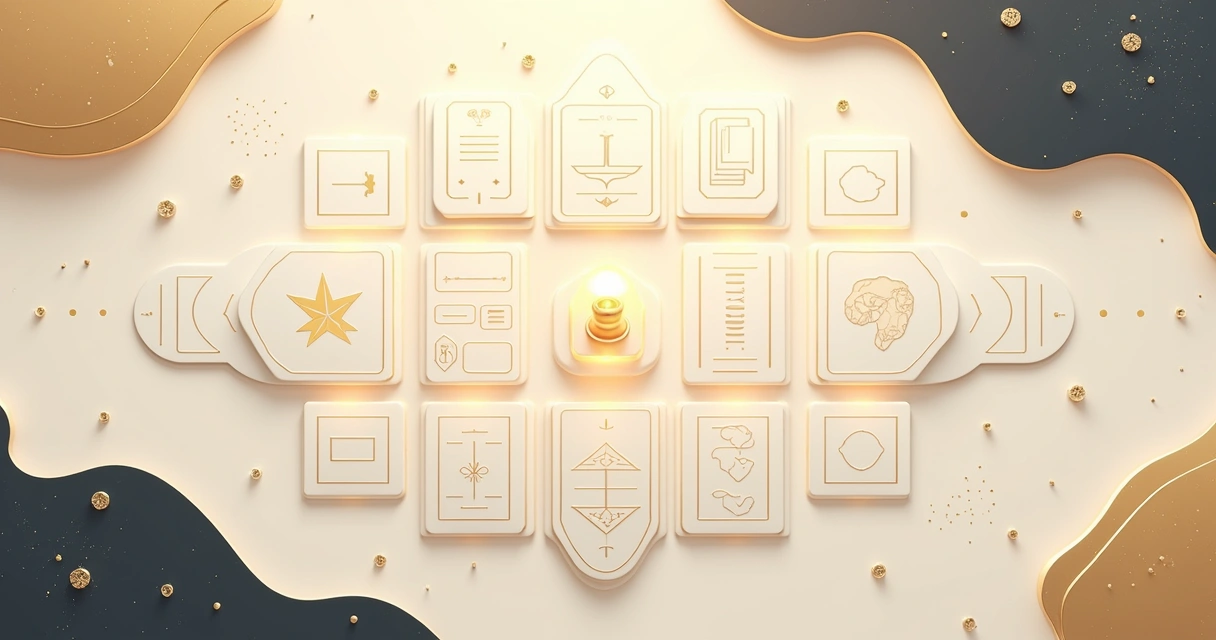
Petit Tableau (the 9-card square)
Arranged in three rows of three, this pattern provides a fuller view of a situation. The cards interact vertically, horizontally, and diagonally, revealing layers and key influences.
- Top row: the wider context
- Middle row: the core issue
- Bottom row: potential outcomes or advice
The central card is especially important—acting as the “heart” of the reading. Kronus Ritual’s immersive experience draws visual focus to this spot, helping users settle into the moment and reflect on core meanings.
Grand Tableau
This is the system’s signature spread, using all 36 cards. The cards are laid out, typically in four rows of eight and one row of four, mapping an entire “landscape” of a person’s current situation and influences. It’s a method trusted by advanced readers for complex questions or annual forecasts.
In the Grand Tableau:
- Each card represents an area of life (love, work, travel, etc.)
- Clusters form around the “significator” card for the querent or main focus
- Lines and groupings reveal stories, with cards’ positions changing how they are read
While the Grand Tableau can appear intimidating at first, practice reveals its patterns. With Kronus Ritual’s session archives and visual aids, readers can revisit spreads, compare outcomes, and refine their approach.
The power of combining cards
Unlike tarot—where each card stands as an independent story—Lenormand cards function most powerfully in combination. Cards are not just interpreted alone but woven together in pairs or lines.
For example, pulling The Book and The Snake could mean a hidden problem or secret betrayal, depending on the context. The Ship and The Heart? A love interest from afar or romantic journey. These combinations keep the interpretation concrete and grounded.
Meaning flows from context, not isolated symbols.
In card reading, the position, order, and proximity between cards change the message entirely. This interactive method brings a sense of movement and conversation to every layout.
The role of the significator card
The “significator” is a card chosen to represent the seeker or the main focus of a reading. Traditionally, cards like The Lady or The Gentleman depict the person asking the question. In some cases, a card more fitting (like The Child for new beginnings or The Heart for matters of affection) stands in as the focal point.
The location of this card within the spread shapes the reading’s direction. For example, in the Grand Tableau, cards closest to the significator hold more immediate influence, while those farther away point to distant concerns. This helps pinpoint themes and focus the interpretation.
Where your story is, meaning gathers there.
Lenormand vs. tarot: clarity and practical guidance
While both methods have their place, they serve different needs. Tarot, with its deep archetypes and layered mysteries, excels at exploring philosophies, personality, and spiritual evolution. Its images evoke moods and questions, often inviting poetic self-reflection.
The 36-card system, in contrast, answers with straightforward language and immediate relevance. “Will I receive that message soon?” “Is there potential in this new connection?” Readers seeking actionable, situational advice find these cards ideal, especially as their messages do not require heavy interpretation or prior esoteric knowledge.
Beginners appreciate the directness. Experienced practitioners value the speed and accuracy. As reported in features by The Daily Wildcat, people drawn to practical spirituality increasingly select these cards for daily reflection, clarity, and support. Modern platforms like Kronus Ritual now blend tradition with technology, making readings not just easy but deeply immersive—even ritualistic.
Card meanings in daily example
A few examples help ground the symbolism:
- The Rider: News, messages, or visitors—prompt change arrives.
- The Clover: Luck, short-term gain, or unexpected opportunity.
- The Book: Mystery, secrecy, studies, or undiscovered insights.
- The Coffin: Endings, transformation, or closure.
- The Star: Inspiration, hope, or digital communication.
To read a more detailed manual for each card, including varied symbolism and interpretations, visitors can use the Kronus Ritual library. Personalized experiences and archived readings deepen the understanding of these meanings over time.
Modern variations and customization
Across the world, decks vary not just in language and art but in subtle symbolism. Some modern sets add culturally relevant graphics, softer colors, or stylized icons. Kronus Ritual, for example, offers deck customization—helping users align aesthetics with mood and intention. This flexibility supports a reflective, individualized practice.
The meaning of the 36-card tradition rests not only in its images, but also in the unique ritual of each reader. Logging sessions, browsing previous readings, and contemplating evolving results—these habits are promoted within Kronus Ritual’s design, creating a reflective loop that deepens learning and trust in the process.
Bringing ritual and technology together
Digital platforms, such as Kronus Ritual, now make readings accessible in both English and Portuguese. The key to the experience is ritual: an onboarding that feels intentional, revelations that unfold visually, and opportunities to revisit and archive readings. The platform’s intelligent AI Oracle, with flexible tone and powerful symbolism, guides users through both Hermetic and Gypsy spreads—matching mood and clarity to the system chosen.
This editorial, luminous approach pushes Lenormand practice toward new depths. Beginners can learn with clarity and comfort, while seasoned seekers archive, review, and reflect with confidence.
Each reading creates a new page in a personal story.
Conclusion: Reading with presence and clarity
Gypsy card traditions offer more than prediction. They encourage daily awareness, contextual reading, and an appreciation for life's immediate symbols. Their clarity and directness make them accessible to anyone—while the nuance in spreads and combinations allows for growth and reflection.
For those ready to experience these insights in an atmosphere of ritual, design, and precision, the Kronus Ritual platform welcomes readers of all backgrounds. By blending rich symbolism with personalized archives and immersive onboarding, it sets the stage for meaningful practice. To start your own reflective journey, visit us and experience how clarity, tradition, and technology come together.
Frequently asked questions
What is Lenormand card reading?
Lenormand card reading is a divinatory practice using a deck of 36 symbolic cards to interpret concrete messages about personal situations, decisions, or relationships. Each card represents a specific concept or image, and their meanings shift depending on combinations and position within a spread.
How do Lenormand card spreads work?
Spreads are layouts where cards are placed in lines or patterns, each position carrying unique meaning. Readers interpret the relationships between cards, forming stories or guidance tailored to the question asked. The arrangement, proximity, and order of cards are just as important as their individual symbolism.
What are the most common Lenormand spreads?
The single-card draw, the line of three, the Petit Tableau (nine-card square), and the Grand Tableau using all 36 cards are the most familiar spreads. Each method offers a different depth of insight, from a quick overview to a comprehensive view of life areas.
Can beginners use Lenormand cards easily?
Yes, this tradition is known for its accessibility. Beginners find the pictorial cards and straightforward meanings inviting, while platforms like Kronus Ritual provide intuitive tools, guides, and immersive features to support learning. Over time, practice with combinations fosters further skill.
What is the difference between Lenormand and tarot?
While both are forms of cartomancy, tarot focuses on archetypes—using 78 cards and inviting philosophical reflection—whereas Lenormand decks use 36 cards for practical, direct answers. Many find the latter ideal for everyday questions, immediate action, or detailed situational queries, supported by its tradition of grounded symbolism.